Posts tagged 'woodcut'
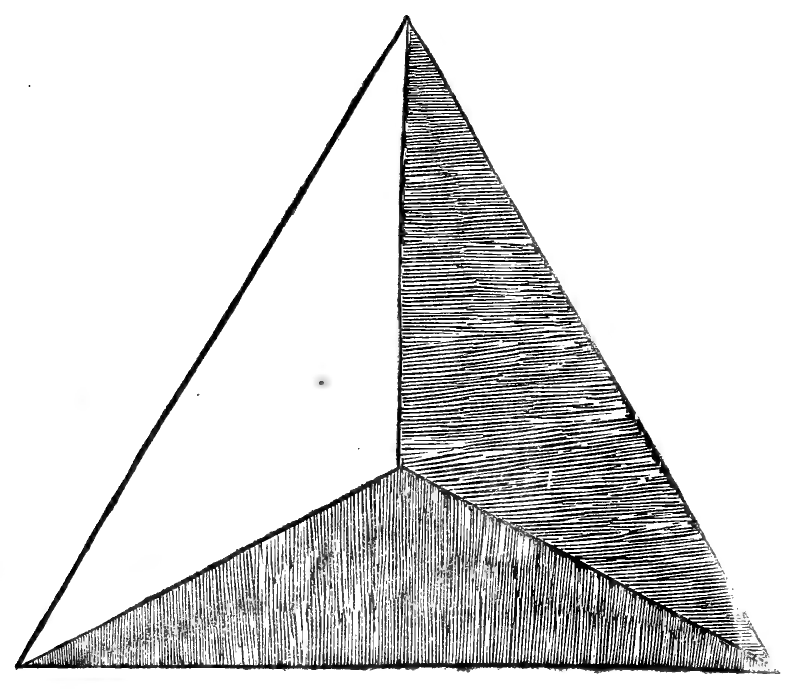
Tabulae I–II: Tetrahedron Planum Solidum et Vacuum (1509)
To illustrate Luca Pacioli’s De Divina Proportione (1509), Leonardo da Vinci constructed the regular tetrahedron \(\{3, 3\}\) in two foundational aspects: Tabula I (Folio 0187) as an opaque solid body with directional shading (Planum Solidum), and Tabula II (Folio 0189) as an open mitered wooden lattice (Planum Vacuum). Through the Vacuate Manifold Theorem, hollowing the four triangular faces produces a closed orientable 2-manifold of topological genus \(g = F - 1 = 3\).
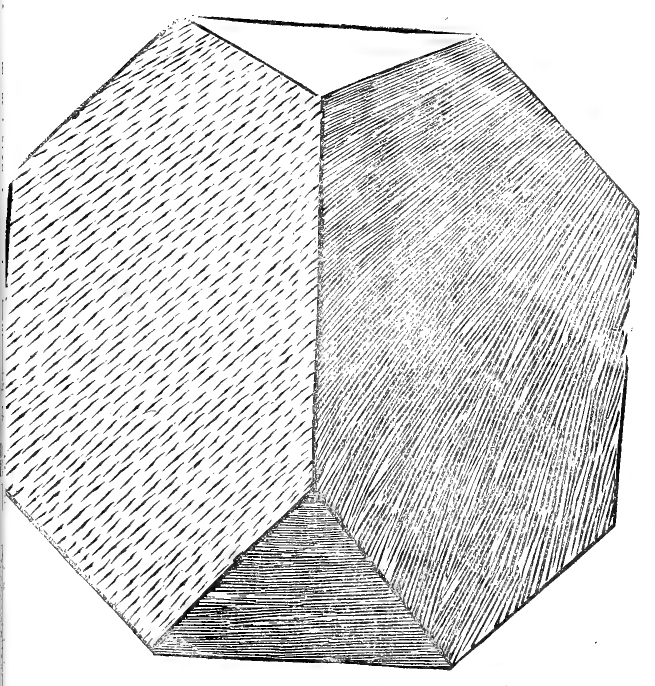
Tabulae III–IIII: Tetrahedron Abscisum Solidum et Vacuum (1509)
By truncating each of the 4 vertices of the regular tetrahedron at rational edge parameter \(t = 1/3\), the vertices are replaced by 4 equilateral triangular facets, while the 4 original triangles are truncated into 4 regular hexagons. Leonardo da Vinci illustrates the resulting Archimedean semi-regular solid in Tabula III (Folio 0191) as Tetrahedron Abscisum Solidum and in Tabula IIII (Folio 0193) as Tetrahedron Abscisum Vacuum (genus \(g = 7\)).
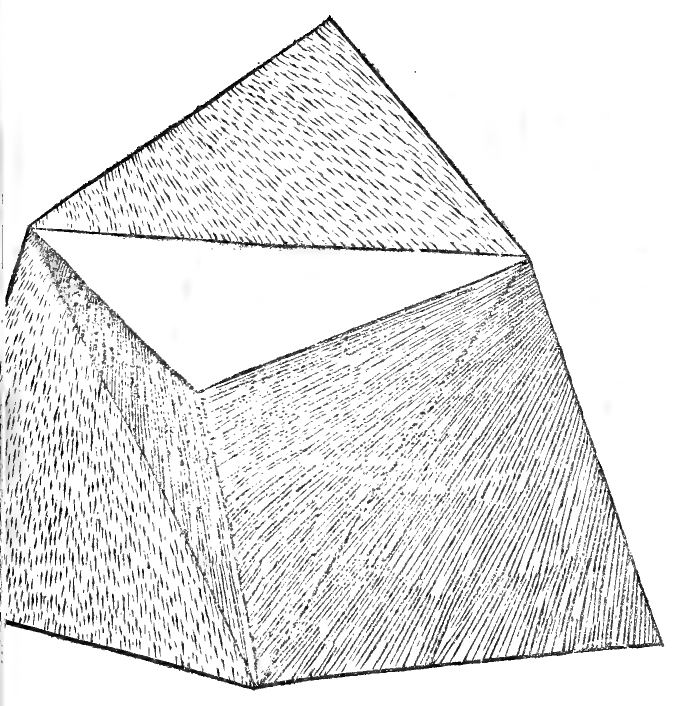
Tabulae V–VI: Tetrahedron Elevatum Solidum et Vacuum (1509)
By erecting triangular pyramids over each of the 4 faces of a regular tetrahedron, Leonardo da Vinci produces the Triakis Tetrahedron (Tetrahedron Elevatum). Consisting of \(4 \times 3 = 12\) triangular faces and \(4 + 4 = 8\) vertices, this elevated solid is illustrated in Tabula V (Folio 0195) as Tetrahedron Elevatum Solidum and in Tabula VI (Folio 0197) as Tetrahedron Elevatum Vacuum (genus \(g = 11\)).
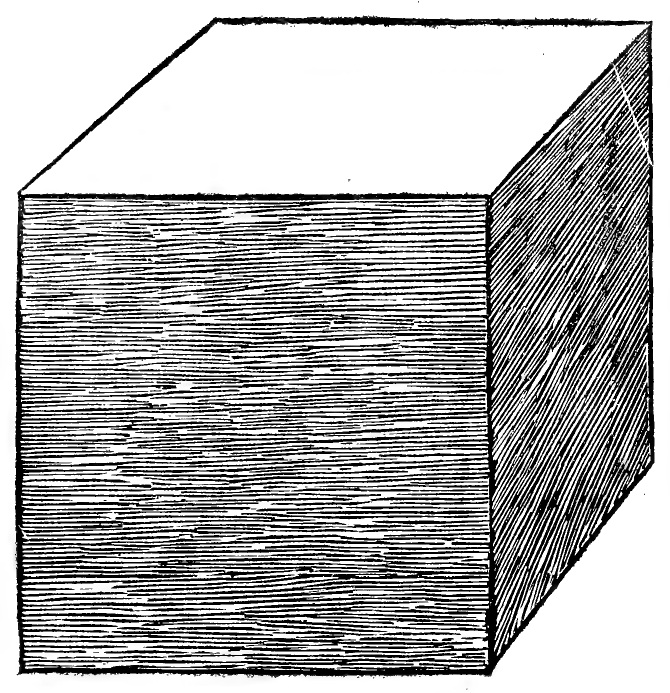
Tabulae VII–VIII: Exahedron Planum Solidum et Vacuum (1509)
The regular hexahedron (cube) \(\{4, 3\}\) possesses 8 vertices, 12 edges, and 6 square faces. Leonardo da Vinci illustrates this fundamental Platonic solid in Tabula VII (Folio 0199) as Exahedron sive Cubus Planum Solidum and in Tabula VIII (Folio 0201) as Exahedron Planum Vacuum. Hollowing the 6 square faces transforms the cube into a 2-manifold wooden framework of topological genus \(g = F - 1 = 5\).
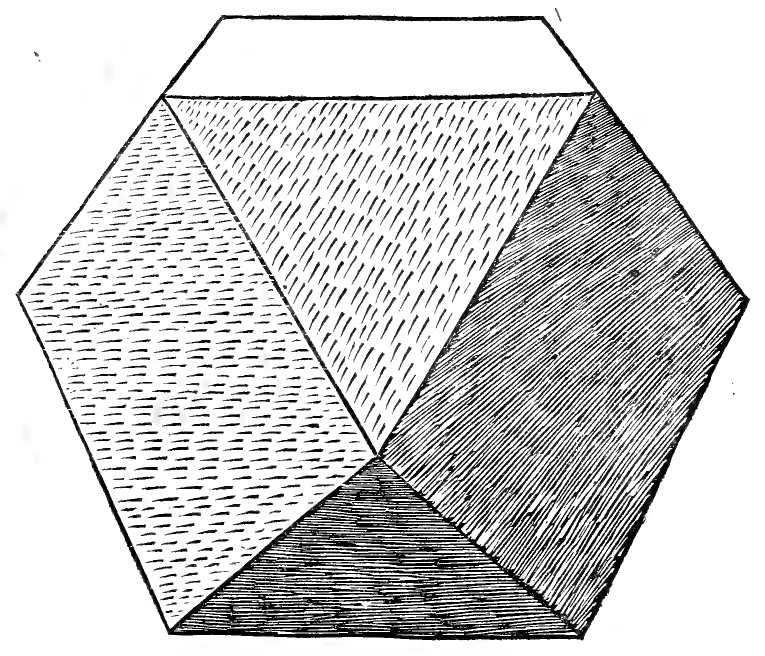
Tabulae VIIII–X: Exahedron Abscisum Solidum et Vacuum (1509)
By truncating the regular hexahedron (cube) at the exact midpoints of its twelve edges (Pacioli’s edge rectification), the 8 cube corners are replaced by 8 equilateral triangles, while the 6 square faces shrink into 6 rotated square facets. The resulting Archimedean semi-regular solid is the Cuboctahedron (\(V = 12, E = 24, F = 14\)), illustrated by Leonardo da Vinci in Tabula VIIII (Folio 0203) as Exahedron Abscisum Solidum and in Tabula X (Folio 0205) as Exahedron Abscisum Vacuum (genus \(g = 13\)).
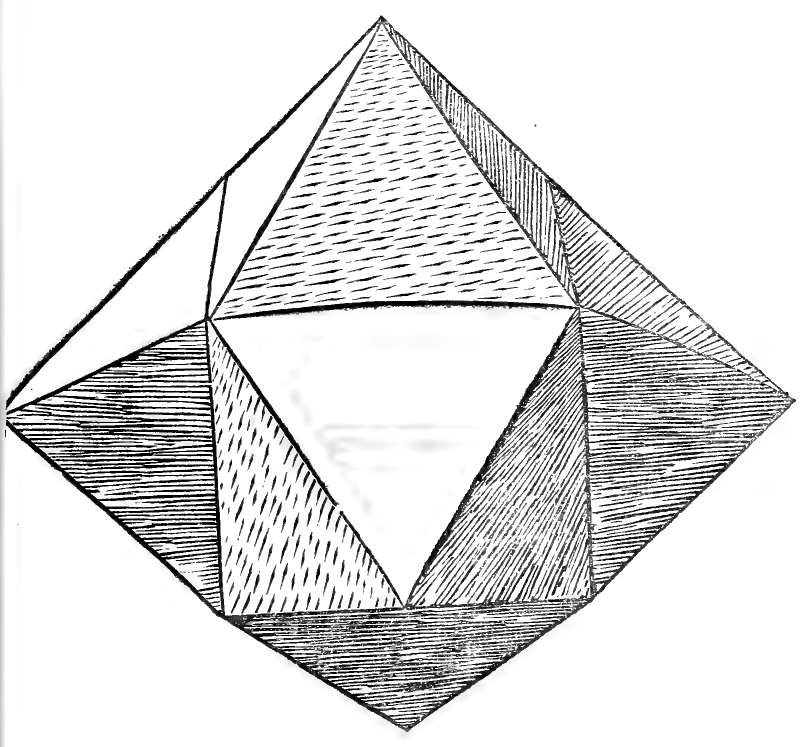
Tabulae XI–XII: Exahedron Elevatum Solidum et Vacuum (1509)
By erecting square pyramids over the 6 square faces of the regular hexahedron (cube), Leonardo da Vinci produces the Tetrakis Hexahedron (Exahedron Elevatum), consisting of \(6 \times 4 = 24\) isosceles triangular faces, 36 edges, and \(8 + 6 = 14\) vertices. In Luca Pacioli’s De Divina Proportione (1509), this elevated solid is illustrated in Tabula XI (Folio 0207) as Exahedron Elevatum Solidum and in Tabula XII (Folio 0209) as Exahedron Elevatum Vacuum (genus \(g = 23\)).
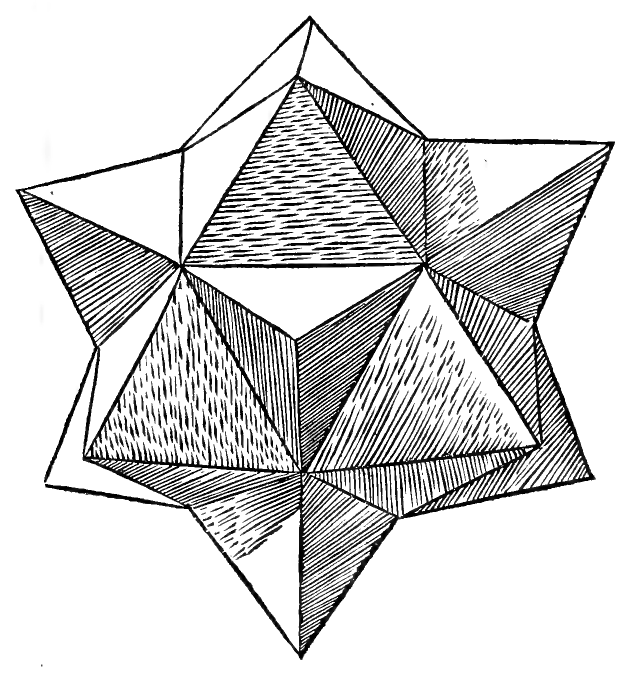
Tabulae XIII–XIIII: Exahedron Abscisum Elevatum Solidum et Vacuum (1509)
By erecting regular pyramids over both the 8 triangular and 6 square facets of the cuboctahedron, Leonardo da Vinci constructs the compound stellated solid Exahedron Abscisum Elevatum (Cuboctahedron Elevatum), consisting of \(8 \times 3 + 6 \times 4 = 48\) triangular facets and 26 vertices. In Luca Pacioli’s De Divina Proportione (1509), this body is illustrated in Tabula XIII (Folio 0211) as Exahedron Abscisum Elevatum Solidum and in Tabula XIIII (Folio 0217) as Exahedron Abscisum Elevatum Vacuum (genus \(g = 47\)).
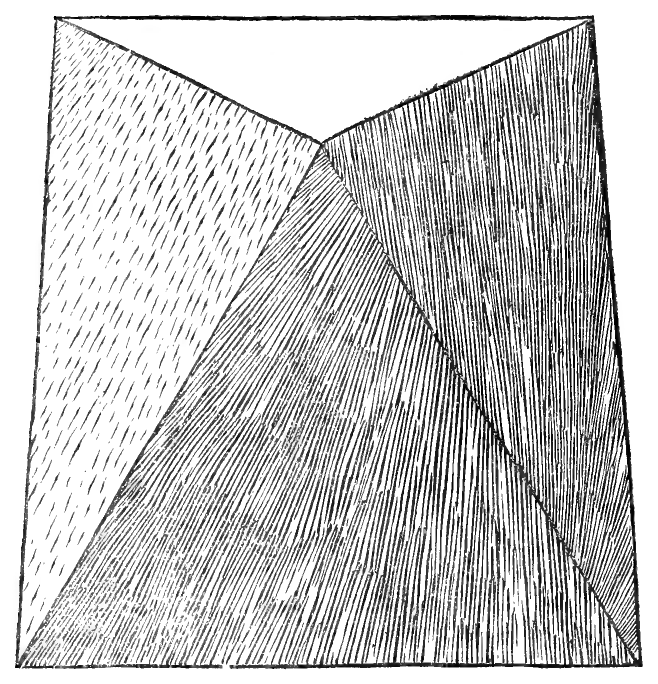
Tabulae XV–XVI: Octahedron Planum Solidum et Vacuum (1509)
The regular octahedron \(\{3, 4\}\) is the Platonic dual of the cube, possessing 6 vertices, 12 edges, and 8 equilateral triangular faces. Leonardo da Vinci illustrates this fundamental cosmic solid in Tabula XV (Folio 0219) as Octahedron Planum Solidum and in Tabula XVI (Folio 0221) as Octahedron Planum Vacuum. In hollow form, the eight open triangular apertures create a wooden framework of topological genus \(g = F - 1 = 7\).
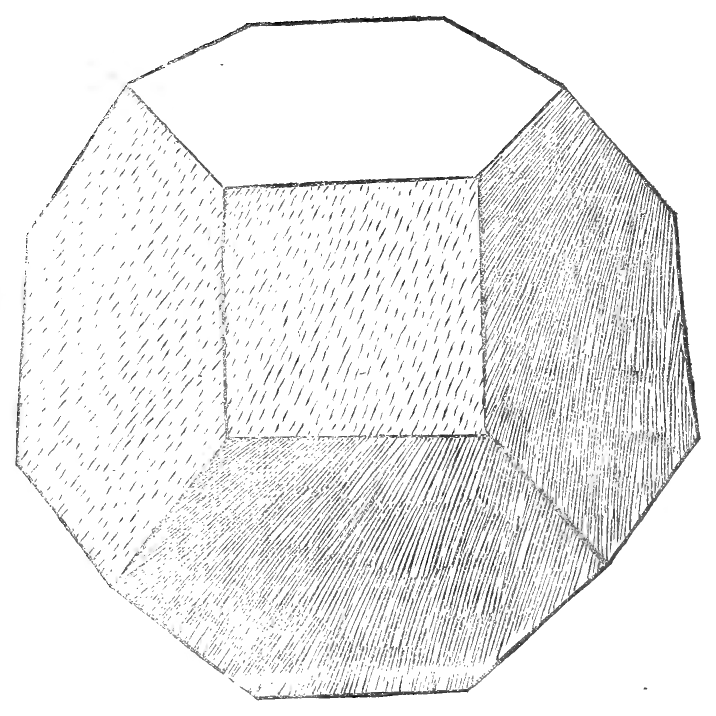
Tabulae XVII–XVIII: Octahedron Abscisum Solidum et Vacuum (1509)
By truncating each of the 6 vertices of the regular octahedron at rational parameter \(t = 1/3\), the vertices are replaced by 6 square facets, while the 8 original triangular faces are truncated into 8 regular hexagons. Leonardo da Vinci illustrates this Archimedean solid in Tabula XVII (Folio 0223) as Octahedron Abscisum Solidum and in Tabula XVIII (Folio 0225) as Octahedron Abscisum Vacuum (genus \(g = 13\)).
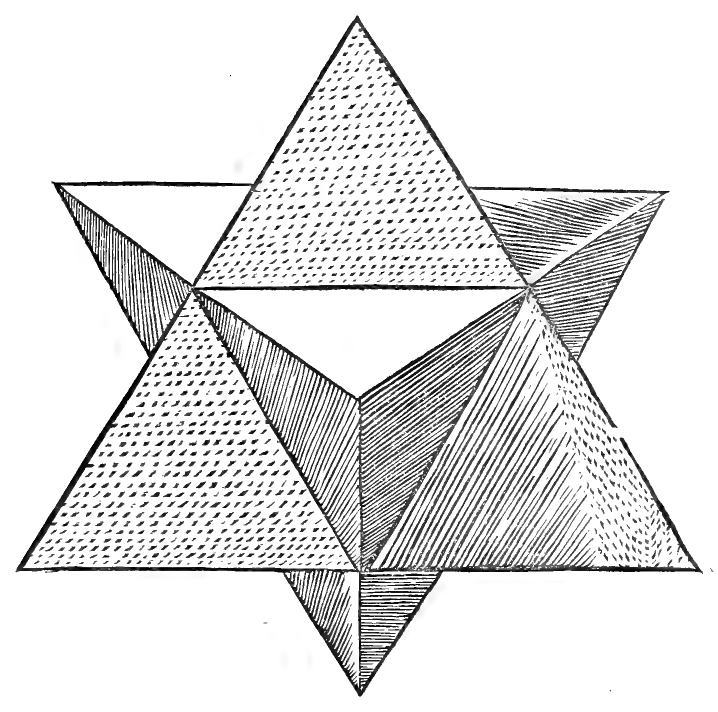
Tabulae XIX–XX: Octahedron Elevatum — Stella Octangula (1509)
By erecting regular triangular pyramids over each of the 8 triangular faces of an octahedron, Leonardo da Vinci constructs the celebrated Stella Octangula (Octahedron Elevatum), consisting of \(8 \times 3 = 24\) equilateral triangular faces and \(6 + 8 = 14\) vertices. In Luca Pacioli’s De Divina Proportione (1509), this masterpiece of geometric art is illustrated in Tabula XIX (Folio 0227) as Octahedron Elevatum Solidum and in Tabula XX (Folio 0229) as Octahedron Elevatum Vacuum (genus \(g = 23\)).
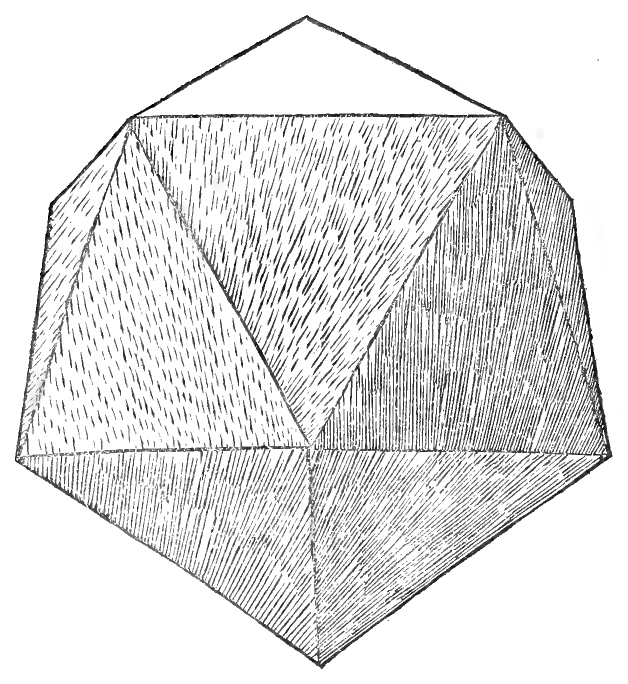
Tabulae XXI–XXII: Icosahedron Planum Solidum et Vacuum (1509)
The regular icosahedron \(\{3, 5\}\) is composed of 20 equilateral triangular faces, 30 edges, and 12 vertices defined by three mutually perpendicular golden rectangles over \(\mathbb{Q}(\phi)\). Leonardo da Vinci illustrates this Platonic solid in Tabula XXI (Folio 0231) as Icosahedron Planum Solidum and in Tabula XXII (Folio 0233) as Icosahedron Planum Vacuum. In vacuate form, the 20 triangular window apertures form a wooden framework of topological genus \(g = F - 1 = 19\), the highest among the five Platonic solids.
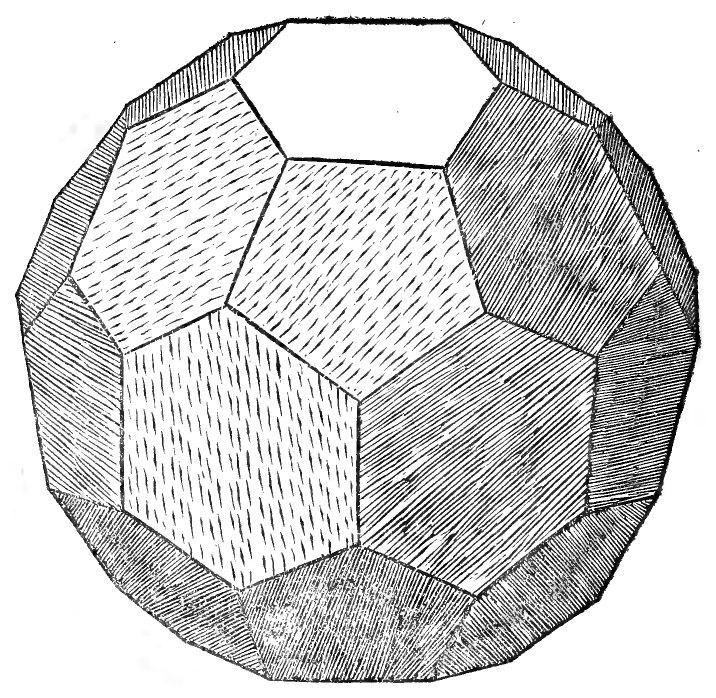
Tabulae XXIII–XXIIII: Icosahedron Abscisum — The Fullerene (1509)
When the 12 vertices of a regular icosahedron are truncated at rational parameter \(t = 1/3\), the 12 pentagonal corners become 12 regular pentagons, and the 20 triangular faces become 20 regular hexagons. Leonardo da Vinci illustrates this Archimedean solid in Tabula XXIII (Folio 0235) as Icosahedron Abscisum Solidum and in Tabula XXIIII (Folio 0237) as Icosahedron Abscisum Vacuum (genus \(g = 31\)). This pair represents the first published illustration in world history of the 32-face geometry later recognized as the soccer ball and the carbon allotrope Buckminsterfullerene (\(\text{C}_{60}\)).
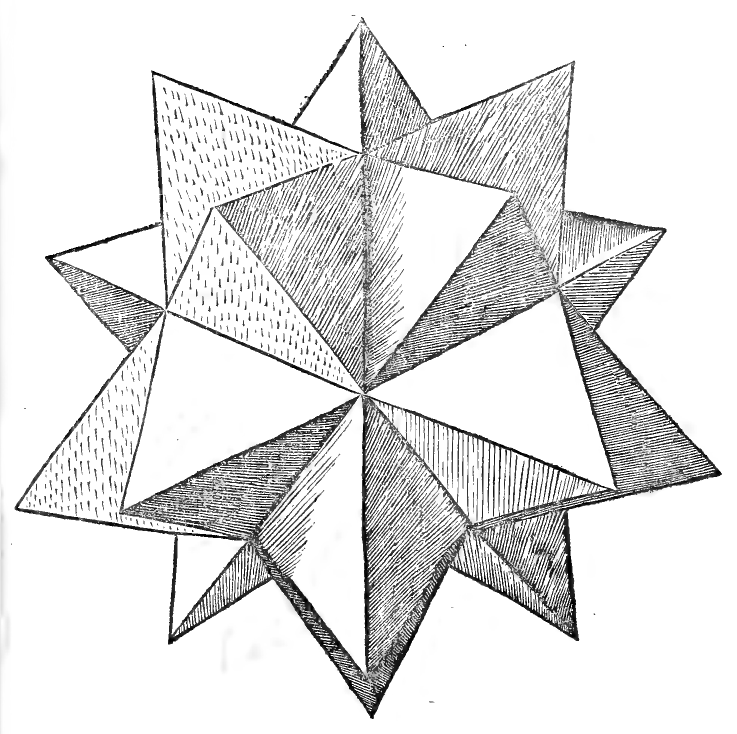
Tabulae XXV–XXVI: Icosahedron Elevatum Solidum et Vacuum (1509)
By erecting equilateral triangular pyramids over each of the 20 triangular faces of a regular icosahedron, Leonardo da Vinci constructs the Triakis Icosahedron (Icosahedron Elevatum), consisting of \(20 \times 3 = 60\) triangular facets, 90 edges, and \(12 + 20 = 32\) vertices. In Luca Pacioli’s De Divina Proportione (1509), this stellated star solid is illustrated in Tabula XXV (Folio 0239) as Icosahedron Elevatum Solidum and in Tabula XXVI (Folio 0241) as Icosahedron Elevatum Vacuum (genus \(g = 59\)).
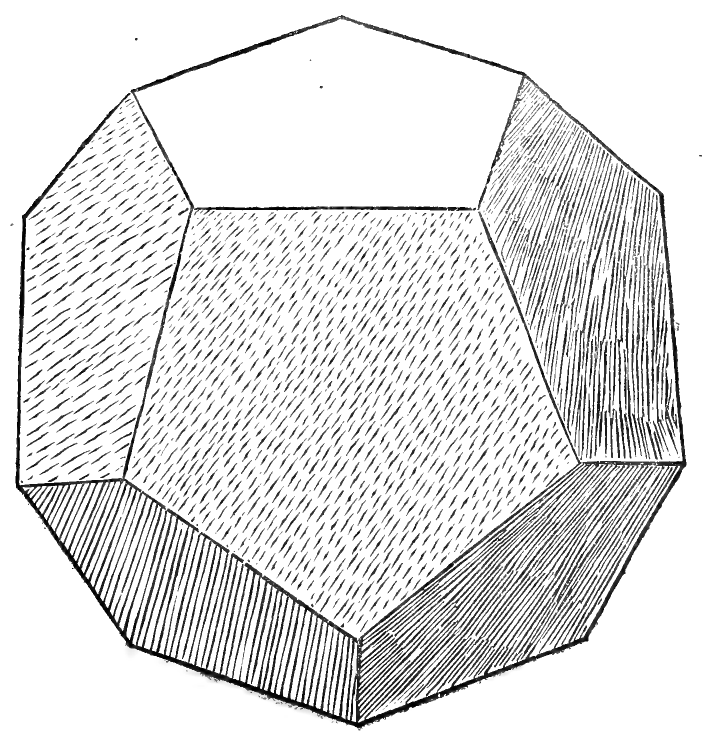
Tabulae XXVII–XXVIII: Dodecahedron Planum Solidum et Vacuum (1509)
The regular dodecahedron \(\{5, 3\}\) possesses 20 vertices, 30 edges, and 12 regular pentagonal faces governed by the divine proportion \(\phi\). Leonardo da Vinci illustrates this celestial solid in Tabula XXVII (Folio 0243) as Dodecahedron Planum Solidum and in Tabula XXVIII (Folio 0245) as Dodecahedron Planum Vacuum. In hollow form, the twelve open pentagonal windows form a wooden carpentry cage of topological genus \(g = F - 1 = 11\).
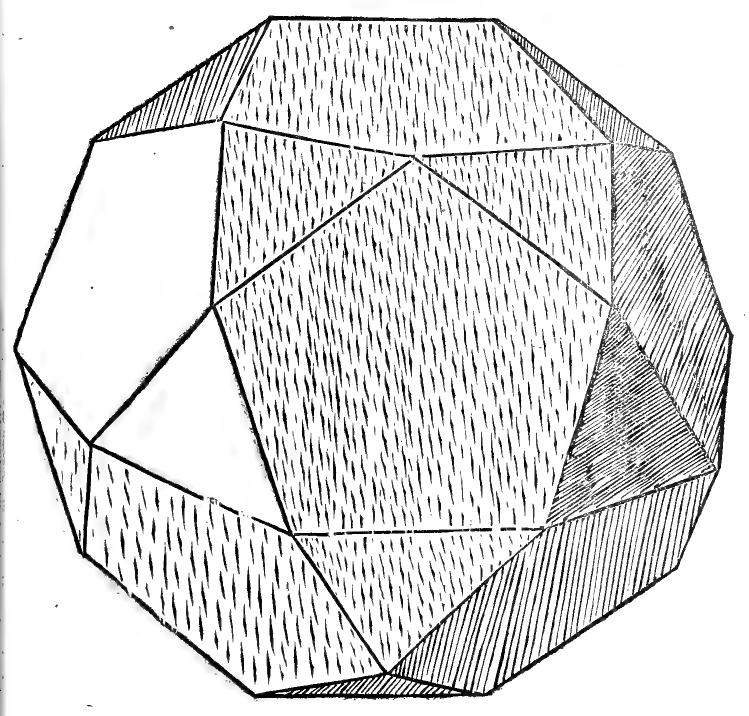
Tabulae XXIX–XXX: Dodecahedron Abscisum Solidum et Vacuum (1509)
By truncating the regular dodecahedron at the midpoints of its 30 edges (Pacioli’s edge rectification), the 20 vertices become 20 equilateral triangles, while the 12 pentagonal faces are reduced to 12 smaller regular pentagons. The resulting Archimedean semi-regular solid is the Icosidodecahedron (\(V = 30, E = 60, F = 32\)), illustrated by Leonardo da Vinci in Tabula XXIX (Folio 0247) as Dodecahedron Abscisum Solidum and in Tabula XXX (Folio 0249) as Dodecahedron Abscisum Vacuum (genus \(g = 31\)).
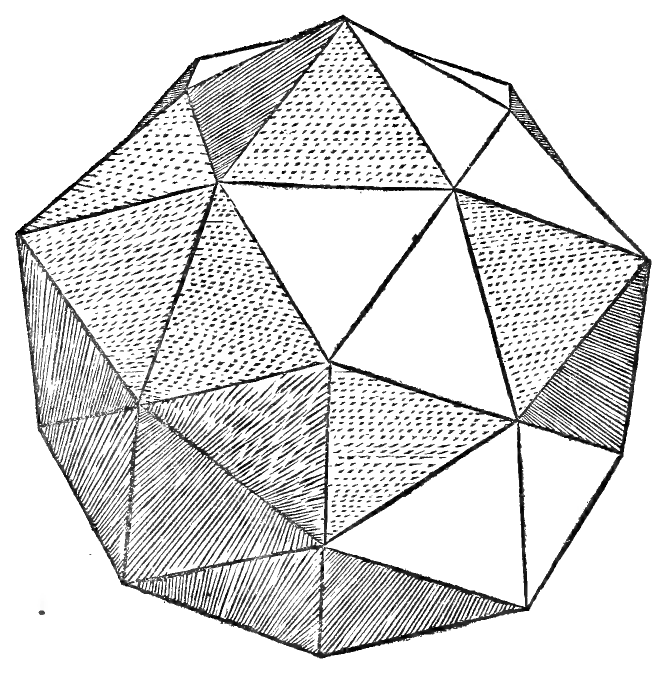
Tabulae XXXI–XXXII: Dodecahedron Elevatum Solidum et Vacuum (1509)
By erecting regular pentagonal pyramids over each of the 12 pentagonal faces of a regular dodecahedron, Leonardo da Vinci constructs the Pentakis Dodecahedron (Dodecahedron Elevatum), consisting of \(12 \times 5 = 60\) isosceles triangular facets, 90 edges, and \(20 + 12 = 32\) vertices. In Luca Pacioli’s De Divina Proportione (1509), this elevated solid is illustrated in Tabula XXXI (Folio 0251) as Dodecahedron Elevatum Solidum and in Tabula XXXII (Folio 0253) as Dodecahedron Elevatum Vacuum (genus \(g = 59\)).
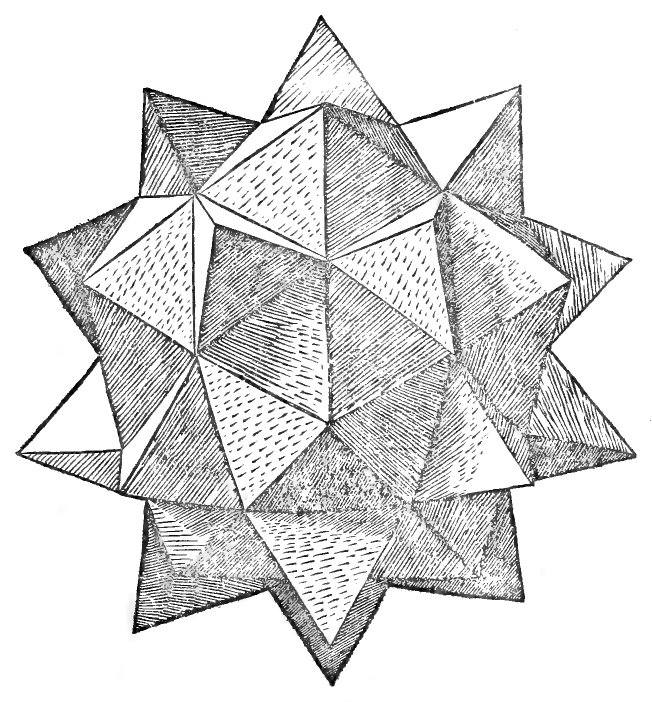
Tabulae XXXIII–XXXIIII: Dodecahedron Abscisum Elevatum Solidum et Vacuum (1509)
By erecting regular pyramids over all 32 facets of the icosidodecahedron (12 pentagonal pyramids and 20 triangular pyramids), Leonardo da Vinci constructs the magnificent compound solid Dodecahedron Abscisum Elevatum (Icosidodecahedron Elevatum), consisting of \(12 \times 5 + 20 \times 3 = 120\) triangular facets, 180 edges, and 62 vertices. In Luca Pacioli’s De Divina Proportione (1509), this masterpiece is illustrated in Tabula XXXIII (Folio 0255) as Dodecahedron Abscisum Elevatum Solidum and in Tabula XXXIIII (Folio 0257) as Dodecahedron Abscisum Elevatum Vacuum (genus \(g = 119\)).
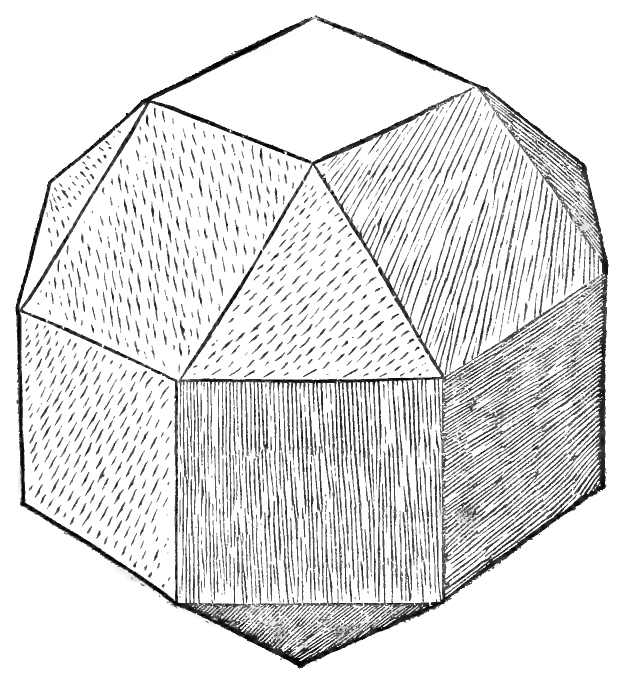
Tabulae XXXV–XXXVI: Vigintisex Basium Planum Solidum et Vacuum (1509)
The 26-Base Body (Vigintisex Basium), known in modern geometry as the Archimedean Rhombicuboctahedron, consists of 26 faces (8 equilateral triangles and 18 squares: 6 axial squares aligned with the cube and 12 belt squares aligned with the cuboctahedron), 48 edges, and 24 vertices over \(\mathbb{Q}(\sqrt{2})\). In Luca Pacioli’s De Divina Proportione (1509), this architectural climax of the treatise is illustrated by Leonardo da Vinci in Tabula XXXV (Folio 0259) as Vigintisex Basium Planum Solidum and in Tabula XXXVI (Folio 0261) as Vigintisex Basium Planum Vacuum (genus \(g = 25\)).
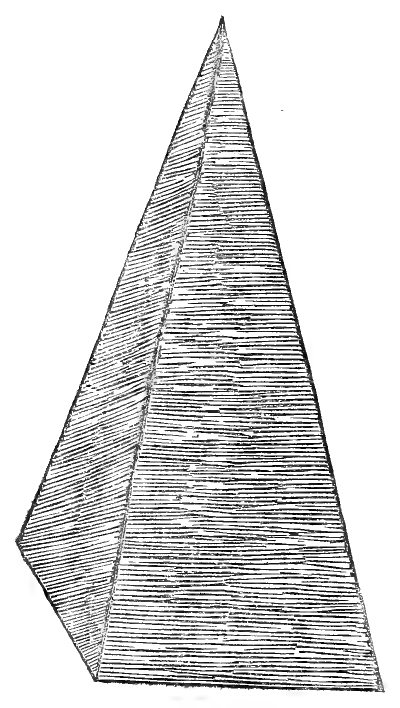
Tabulae XLVII–XLVIII: Pyramis Quadrangula Solida et Vacua (1509)
The square-based pyramid (Pyramis Laterata Quadrangula) possesses 5 vertices, 8 edges, and 5 faces (1 square base and 4 triangular lateral faces). In Luca Pacioli’s De Divina Proportione (1509), Leonardo da Vinci illustrates this fundamental architectural form in Tabula XLVII (Folio 0283) as Pyramis Laterata Quadrangula Solida and in Tabula XLVIII (Folio 0287) as Pyramis Laterata Quadrangula Vacua (genus \(g = 4\)).
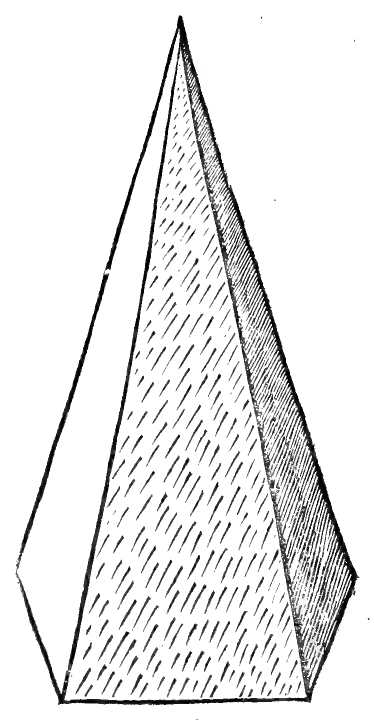
Tabulae LI–LII: Pyramis Penthagona Solida et Vacua (1509)
The regular pentagonal pyramid (Pyramis Laterata Penthagona), classified in modern geometry as the Johnson Solid \(J_2\), possesses 6 vertices, 10 edges, and 6 faces (1 regular pentagonal base and 5 equilateral triangular lateral faces). Because its base is a regular pentagon, its proportions are intrinsically governed by the golden ratio \(\phi\). In Luca Pacioli’s De Divina Proportione (1509), Leonardo da Vinci illustrates this body in Tabula LI (Folio 0293) as Pyramis Laterata Penthagona Solida and in Tabula LII (Folio 0295) as Pyramis Laterata Penthagona Vacua (genus \(g = 5\)).