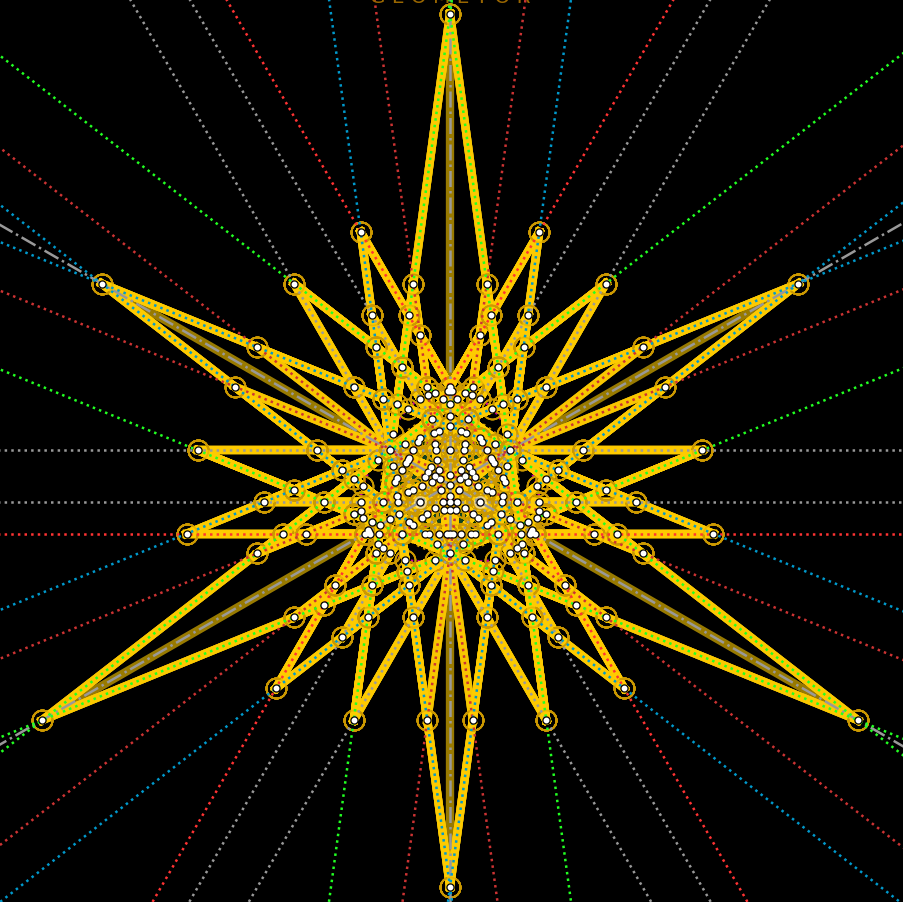
Definition of Figure as the Limit of Solid
Dialectical Definition: Figure as the Limit of Solid (75d–76a)
I.1 Dialectical Definition: Figure as the Limit of Solid (75d–76a)
English Translation by Benjamin Jowett (3rd ed., 1892) · Project Gutenberg #1643 (Jowett 3rd ed., 1892)
f. Meno 75eMENO: But if a person were to say that he does not know what colour is, any more than what figure is–what sort of answer would you have given him?
SOCRATES: I should have told him the truth. And if he were a philosopher of the eristic and antagonistic sort, I should say to him: You have my answer, and if I am wrong, your business is to take up the argument and refute me. But if we were friends, and were talking as you and I are now, I should reply in a milder strain and more in the dialectician’s vein; that is to say, I should not only speak the truth, but I should make use of premises which the person interrogated would be willing to admit. And this is the way in which I shall endeavour to approach you. You will acknowledge, will you not, that there is such a thing as an end, or termination, or extremity?–all which words I use in the same sense, although I am aware that Prodicus might draw distinctions about them: but still you, I am sure, would speak of a thing as ended or terminated–that is all which I am saying–not anything very difficult.
MENO: Yes, I should; and I believe that I understand your meaning.
f. Meno 76aSOCRATES: And you would speak of a surface and also of a solid, as for example in geometry.
MENO: Yes.
SOCRATES: Well then, you are now in a condition to understand my definition of figure. I define figure to be that in which the solid ends; or, more concisely, the limit of solid.