1. Apollonius’s Conjugate Diameter Theorems [Props. 123–136 / VII. 1–32]
Using two ingenious focal-like auxiliary points HH laid off along the principal axis AA such that (Props. 123–128 [VII. 1–11]), Apollonius reduces the lengths of any pair of oblique conjugate diameters PP () and DD () to pure focal-style segments along the axis, proving his two celebrated invariance theorems:
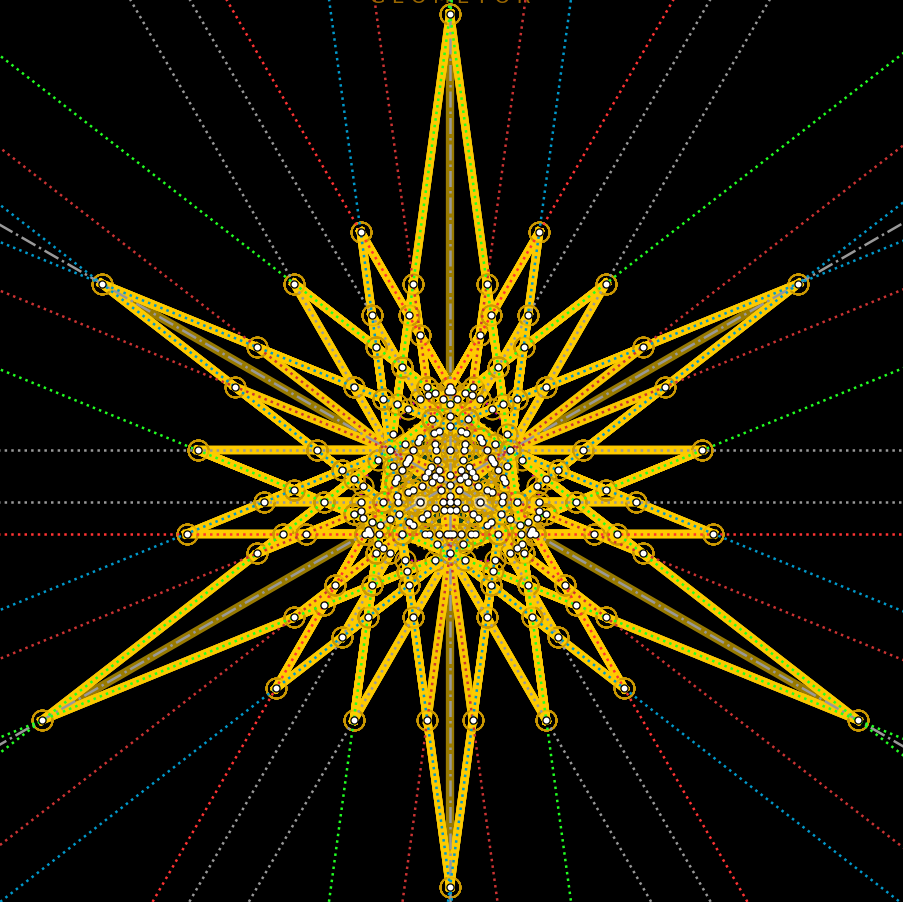
Plate 10 — Apollonius’s Conjugate Diameter Theorems (Book VII.12, 13, 31 [Props. 129 & 136]). On an ellipse with semi-axes , and any oblique conjugate semi-diameters , inclined at angle : (1) ; (2) the circumscribed tangent parallelogram LLMM has constant area .
Proposition 129 [VII. 12, 13, 29, 30] — Apollonius’s First Theorem (Quadratic Trace Invariance). In every ellipse the sum, and in every hyperbola the difference, of the squares on any two conjugate diameters PP, DD is equal to the sum or difference respectively of the squares on the principal axes AA, BB:
Proposition 136 [VII. 31] — Apollonius’s Second Theorem (Circumscribed Parallelogram Area Invariance). If PP, DD be conjugate diameters of an ellipse or of conjugate hyperbolas, and tangents drawn at their extremities PPDD form the circumscribed parallelogram LLMM, its area is invariant and equal to the rectangle contained by the principal axes: