Metaphysics
Τὰ μετὰ τὰ φυσικά (Metaphysica) — Bekker Greek (1831) & Oxford English Translation
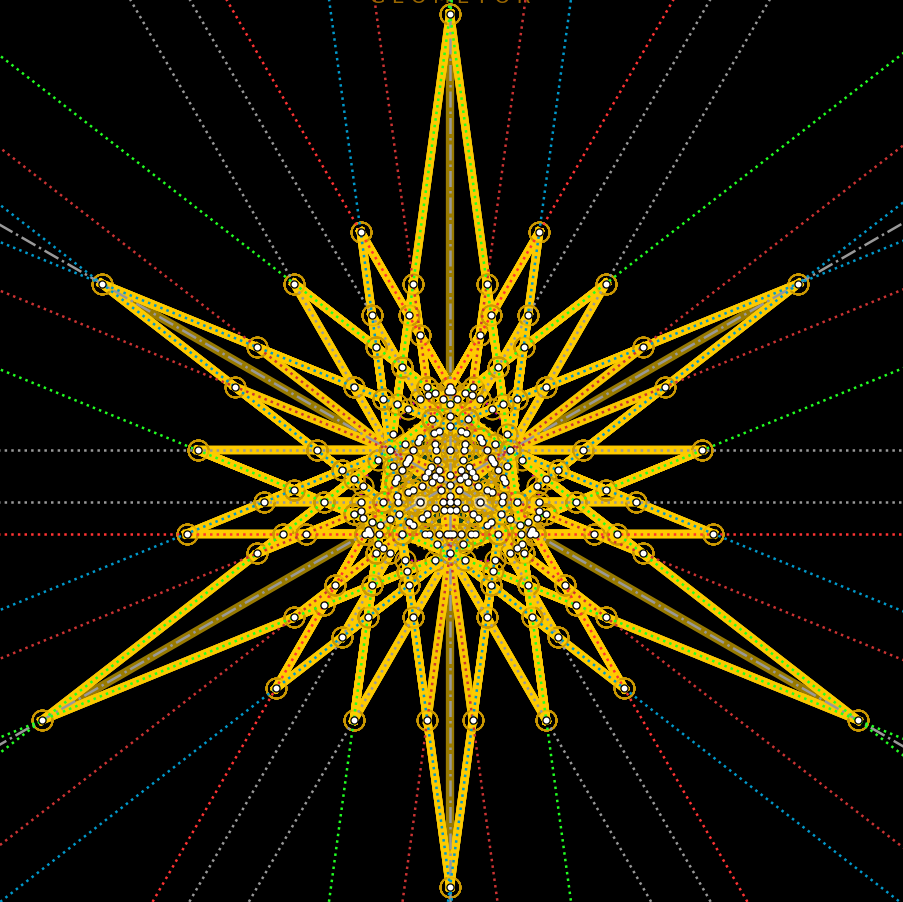
«καὶ τὰ διαγράμματα εὑρίσκεται ἐνεργείᾳ· διαιροῦντες γὰρ εὑρίσκουσιν. εἰ δ’ ἦν διῃρημένα, φανερὰ ἂν ἦν· νῦν δ’ ἐνυπάρχει δυνάμει.»
“It is by an activity also that geometrical constructions are discovered; for we find them by dividing. If the figures had been already divided, the constructions would have been obvious; but as it is they are present only potentially.” — Metaphysica Θ.9, 1051a21–24
Table of Contents
Book B (III) — Aporiai on Axioms & Mathematical Intermediates
The second book of aporiai: whether one science studies all substances, axioms, and the intermediate status of mathematical entities.
Book Δ (V) — Philosophical Lexicon of Unity & Quantity
The master philosophical lexicon defining continuous unity (to hen), the indivisible measure, and quantity (multitude vs. magnitude).
Book E (VI) — Tripartition of Theoretical Philosophy
Classification of theoretical sciences into physics (separable but unmovable? no, inseparable and mobile), mathematics (inseparable but immobile), and theology/first philosophy.
Book Z (VII) — Formal Parts & Intelligible Matter
The classic introduction of intelligible matter (hyle noete, 1036a9) in mathematical entities like the circle and segment.
Book Θ (IX) — Potentiality & Constructive Actuality
The profound doctrine that geometrical constructions are discovered in actuality by dividing (energeia, 1051a21–33).
Book M (XIII) — Mathematical Objects & Mathematical Beauty
Three chapters examining the ontological mode of existence of mathematical objects, the qua-theory, and mathematical beauty (order, symmetry, and definiteness).
Scholarly Apparatus
Master Bekker Concordance · Index of Persons · Philosophical Glossary · Bibliography